
The Meaning of Forgetting
Even If This Love Disappears From the World TonightThe novel tests whether forgetting erases love, and how people can move forward without declaring the past meaningless.
increasing Bearing strength in each event
 decreasing
Bearing strength in each eventdecreasingA Future Reduced to Today
Facing a Broken Timeline
The horizon disappears
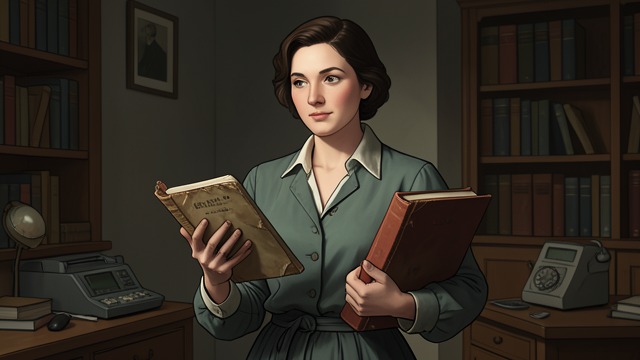
Maori learns that she will forget each day's events when she sleeps. She feels that the future has abruptly closed, because effort and experience no longer seem able to accumulate normally.
The first counterweight
The binder gives her facts, and her parents provide care, but neither can make the loss trivial. Her condition introduces the book's question of whether life remains meaningful when memory cannot guarantee continuity.
A Day Worth Repeating
Joy Without Accumulation
A strange familiarity
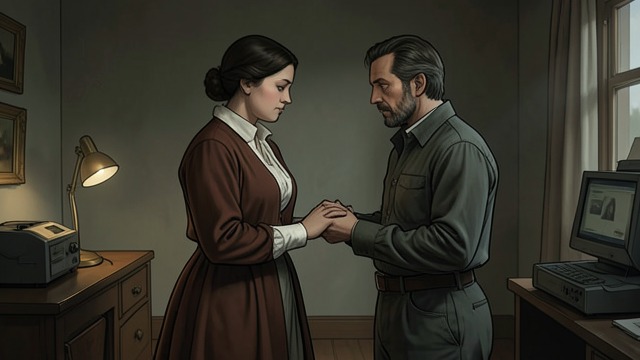
Maori feels unexpectedly comfortable with Tooru despite his being a stranger again each morning. Her journal records that the ease of their silence seems to accumulate, even though her conscious memory cannot hold it.
Experience still matters
The relationship suggests that the value of an experience does not depend solely on remembering it later. Tooru remembers their shared days, while each present Maori can still enjoy one.
A Night of Fear
The Wish Not to Forget
A moment becomes precious
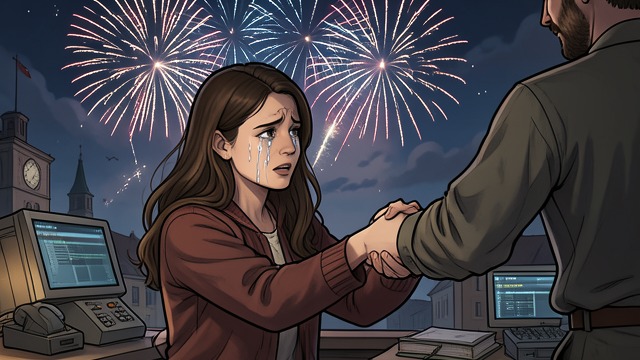
At the fireworks, Maori realizes she may not retain the evening. The thought overwhelms her, and she cries while holding Tooru's hand.
Memory held in relationship
Tooru tells her that he will remember and that no memory disappears completely. His promise offers comfort without pretending he can cure her condition or ensure that she herself will remember.
Living by Forgetting
The Past and the Future
Keiko's counsel
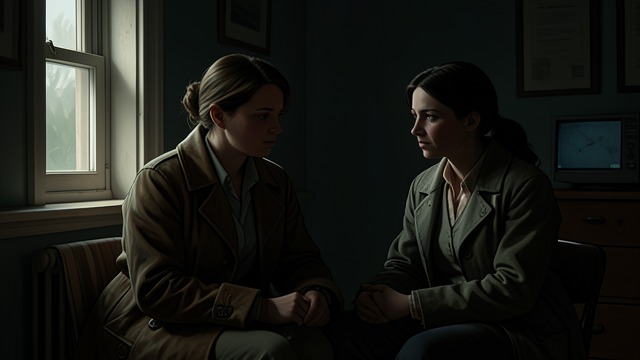
Keiko tells Maori that people live by forgetting and encourages her to place Tooru in the past rather than become captive to grief. She speaks from her own knowledge that wounds may remain even as pain changes.
Maori's answer
Maori chooses to try to remember him, not to abandon her present life. Her decision refuses the idea that healing must require either permanent grief or complete erasure.
Grief as Something Hers
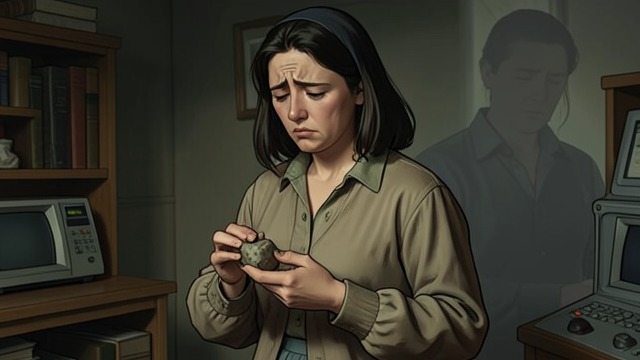
Carrying Pain Forward
Remembering without completion
Maori says she still loves Tooru and is still hurting, while accepting that she may fall in love again. Her grief is neither the whole of her life nor something she needs to deny.
A living connection
She draws Tooru and treats memory as something held in her body and heart. The past remains meaningful because she can carry it into a future that still belongs to her.
The first morning Maori reads her diagnosis
During the first week of dating
The summer fireworks date
After Maori recovers and meets Keiko
At the cherry-blossom park six years later
